


Key Takeaway: An anti-corrosion coating for steel creates a protective barrier that prevents the electrochemical reaction between iron, oxygen, and moisture that causes rust. Corrosion costs U.S. industry over $450 billion annually, but preventive coatings reduce damage by 15-35% and extend asset life 2-3x. FlameOFF Metal Shield is a clear nano-coating that resists salt spray, acid rain, and UV exposure, protecting steel, aluminum, copper, and stainless steel - including galvanized surfaces - without altering appearance.
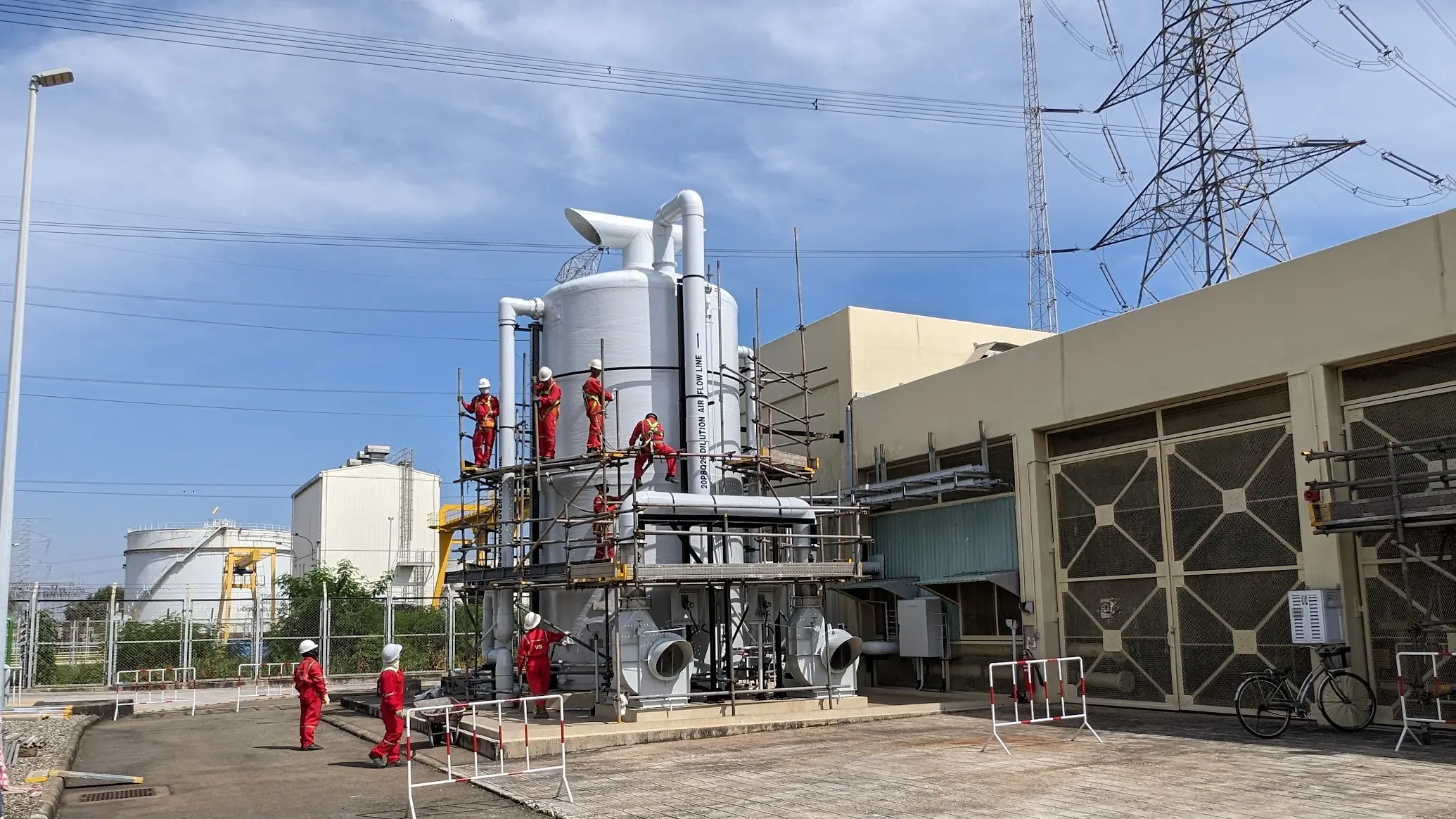
Steel is the backbone of modern infrastructure. From bridges and transmission towers to warehouse frames and HVAC equipment, structural steel provides the strength commercial and industrial buildings depend on. But steel has a critical vulnerability: corrosion.
Left unprotected, steel corrodes at rates of 61-82 micrometers per year in industrial environments. According to AMPP (formerly NACE International), corrosion costs U.S. industries over $450 billion annually. Globally, the NACE IMPACT study puts that figure at $2.5 trillion per year - roughly 3.4% of global GDP.
The question of how to prevent rust on structural steel has a straightforward answer: apply an anti-corrosion coating for steel before corrosion starts. The challenge is choosing the right one. This guide compares the major coating types - epoxy, zinc-rich, polyurethane, galvanizing, and nano-coatings - and explains what performance data like ASTM B117 salt spray testing actually tells you about real-world protection.
Table of contents:
- What Causes Steel to Corrode and How Much Does It Cost?
- What Are the Main Types of Anti-Corrosion Coatings for Steel?
- Why Choose a Clear Anti-Corrosion Coating Over Pigmented Systems?
- What Does ASTM B117 Salt Spray Testing Tell You About Coating Performance?
- How Do You Prevent Galvanic Corrosion Between Dissimilar Metals?
- How Should You Prepare Steel for Anti-Corrosion Coating?
- Which Anti-Corrosion Coating Is Best for Your Application?
- Frequently Asked Questions About Anti-Corrosion Coatings for Steel
- Key Takeaways
What Causes Steel to Corrode and How Much Does It Cost?
Steel corrodes through an electrochemical process that requires three elements: iron (in the steel), oxygen (in the air), and moisture (humidity, rain, condensation, or salt spray). When these three elements interact at the steel surface, iron atoms lose electrons and form iron oxide - rust. This process accelerates in the presence of salts, acids, industrial pollutants, and higher temperatures.
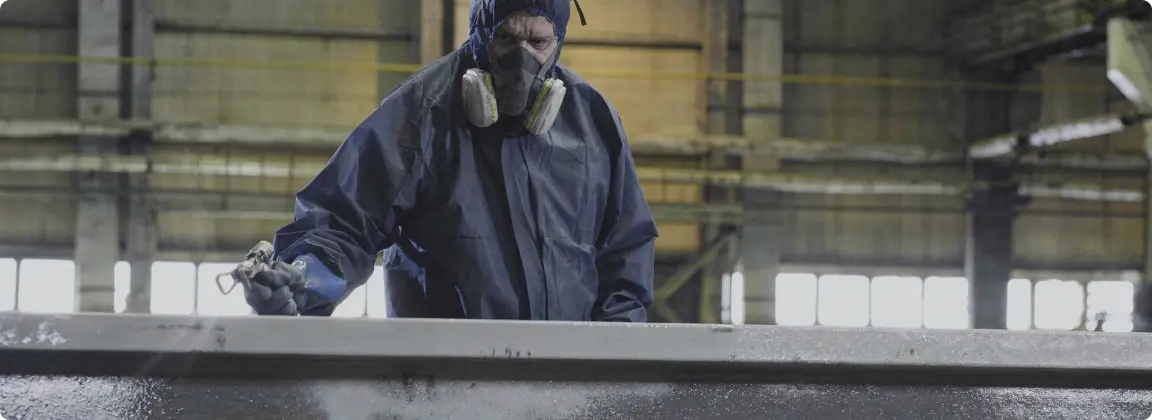
The real-world cost of doing nothing
Reactive corrosion repairs cost up to four times more than preventive coating programs. That ratio makes the business case clear: investing in anti-corrosion coatings upfront is one of the highest-ROI maintenance decisions a facility manager or building owner can make.
The NACE IMPACT study found that 15-35% of global corrosion costs are avoidable through existing prevention technology. That translates to $375-875 billion in savings worldwide. Protective coatings are the most common prevention method, and they extend asset life by 2-3x compared to uncoated steel.
ISO 12944 corrosion environment categories
Not every environment corrodes steel at the same rate. ISO 12944 classifies corrosion severity into six categories that help specifiers select the appropriate coating system:
| Category | Environment | Severity | Examples |
|---|---|---|---|
| C1 | Heated, dry indoor | Very Low | Offices, climate-controlled warehouses |
| C2 | Low pollution, rural | Low | Rural areas, unheated storage buildings |
| C3 | Urban, moderate humidity | Medium | Urban centers, processing plants |
| C4 | Industrial, coastal moderate salinity | High | Harbors, chemical plants, industrial zones |
| C5 | Heavy industrial, high-salinity coastal | Very High | Coastal petrochemical facilities |
| CX | Offshore, extreme marine | Extreme | Offshore platforms, splash zones |
Selecting an anti-corrosion coating for steel starts with identifying your corrosion environment. A coating rated for C2 conditions will fail prematurely in a C4 or C5 environment.
What Are the Main Types of Anti-Corrosion Coatings for Steel?
Anti-corrosion coatings protect steel through three primary mechanisms: barrier protection, sacrificial (cathodic) protection, and inhibitive protection. Each mechanism has strengths and trade-offs depending on the application environment, substrate type, and performance requirements.
Barrier coatings (epoxy, polyurethane)
Epoxy and polyurethane coatings create a physical barrier between the steel substrate and the corrosive environment. Epoxy coatings excel at chemical resistance and perform well in immersion environments like tanks and pipelines. Polyurethane topcoats add UV resistance and gloss retention for exterior-exposed steel.
Trade-offs: Barrier coatings typically require multi-coat systems (primer + intermediate + topcoat), which increases material cost, labor time, and application complexity. Most epoxy and polyurethane systems are pigmented, which changes the appearance of the underlying metal.
Sacrificial coatings (zinc-rich primers, galvanizing)
Zinc-rich primers and hot-dip galvanizing provide cathodic (sacrificial) protection. Zinc is more electrochemically active than steel, so it corrodes preferentially - "sacrificing" itself to protect the underlying iron. This mechanism provides active protection even when the coating is scratched or damaged.
Trade-offs: Hot-dip galvanizing requires off-site processing, which adds logistics complexity and limits field application. Zinc-rich primers produce a gray finish and typically need a topcoat for aesthetics and additional barrier protection. Galvanized steel in C5 environments still requires a maintenance cycle every 13-16 years.
Inhibitive coatings
Inhibitive coatings contain chemical compounds (typically chromates or phosphates) that react with the steel surface to form a passivation layer that resists corrosion initiation. These coatings are often used as primers in multi-coat systems.
Trade-offs: Chromate-based inhibitors face increasing environmental restrictions due to hexavalent chromium toxicity. Phosphate-based alternatives are less effective in severe environments.
Nano-coatings (emerging technology)
Nano-coatings use particles measured in nanometers (billionths of a meter) that bond at the molecular level with the metal substrate. According to research published by NIH/PMC, nano-coatings fill microscopic surface imperfections that traditional coatings bridge over, creating a more complete barrier with better adhesion.
Advantages: Single-coat application, clear/transparent finish options, multi-metal compatibility, extreme temperature tolerance. A nano coating for corrosion protection represents the newest category of anti-corrosion technology for commercial and industrial applications. FlameOFF Metal Shield is one example, backed by third-party tested performance data.
Coating type comparison
| Coating Type | Protection Mechanism | Typical ASTM B117 Hours | Finish | Coats Required | Best For |
|---|---|---|---|---|---|
| Zinc-rich primer | Sacrificial (cathodic) | 500-2,000+ | Gray | 2-3 coat system | New construction, bridges |
| Epoxy | Barrier | 500-1,500 | Pigmented | 2-3 coat system | Chemical resistance, immersion |
| Polyurethane | Barrier + UV | 1,000-2,000 | Pigmented/gloss | Topcoat over primer | UV-exposed exterior steel |
| Hot-dip galvanizing | Sacrificial | Equivalent 1,000+ | Metallic gray | Single process | New fabrication (off-site) |
| Nano-coating (Metal Shield) | Barrier (molecular bond) | Salt spray resistant | Clear | 1-2 coats | Architectural, multi-metal, maintenance |
Need help selecting the right corrosion resistant coating for steel on your project? Request a free project estimate from our technical team.
Need Technical Assistance?
Our technical team can help you select the right anti-corrosion coating system for your project and corrosion environment.
Contact Technical TeamWhy Choose a Clear Anti-Corrosion Coating Over Pigmented Systems?
A clear anti-corrosion coating preserves the natural appearance of the metal substrate while providing full corrosion protection. This matters in applications where the metal is architecturally exposed, decoratively finished, or subject to visual inspection requirements.
When clear finish matters
Architectural steel: Exposed structural steel in lobbies, atriums, restaurants, and retail spaces where the industrial aesthetic is part of the design intent
Weld inspection: Coatings that obscure welds make visual quality inspection difficult or impossible. Clear coatings maintain weld visibility.
Multi-metal assemblies: When steel, aluminum, copper, and stainless steel are used together in the same structure, a clear coating provides uniform protection without color-matching challenges
Decorative metalwork: Handrails, sculptures, signage, and ornamental steel that would lose their visual character under pigmented coatings
Maintenance recoating: Clear coatings simplify touch-up and recoating because there are no color-matching or blending concerns
FlameOFF Metal Shield is a solvent-based clear nano-coating designed for these applications. It bonds at the molecular level to create a corrosion barrier on steel, aluminum, copper alloys, and stainless steel. The clear finish maintains the natural appearance of each substrate without film buildup or discoloration.
Metal Shield achieves 2,600 PSI adhesion (per ASTM D7234) on SSPC-SP6 blasted carbon steel and delivers salt spray resistance backed by advanced corrosion testing, placing it in the high-performance coating tier. Its high spread rate of 640-800 sq ft/gal in a single coat covers far more area per gallon than multi-coat epoxy or zinc systems, lowering material and labor cost per square foot.
What Does ASTM B117 Salt Spray Testing Tell You About Coating Performance?
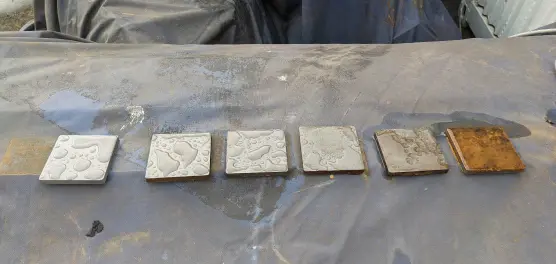
ASTM B117 is the standard test method for evaluating a coating's resistance to salt spray (fog) corrosion. Test specimens are placed in a sealed chamber and exposed to a continuous 5% sodium chloride (NaCl) mist at 95°F (35°C). The test runs continuously until the coating fails or reaches a specified number of hours.
What the hours mean in practice
ASTM B117 hours provide a relative benchmark for comparing coatings under identical, accelerated conditions. Higher hours indicate better salt spray resistance, but the test is accelerated - it compresses years of environmental exposure into days or weeks.
| Performance Tier | ASTM B117 Hours | Typical Coating Types |
|---|---|---|
| Commodity/basic | 96-240 hours | Consumer spray paints, basic primers |
| Moderate/industrial | 240-500 hours | Standard industrial primers, alkyd paints |
| Automotive/heavy industrial | 500-1,000 hours | Automotive OEM coatings, high-build epoxies |
| High-performance | 1,000-3,000+ hours | Marine-grade systems, nano-coatings, premium polyurethanes |
FlameOFF Metal Shield is a clear, single-coat nano-coating engineered for salt spray resistance, delivering protection against salt spray, acid rain, and UV exposure without the complexity of a traditional multi-coat system.
Honest context on B117 testing
ASTM B117 is an accelerated laboratory test, not a direct simulation of any specific real-world environment. The correlation between B117 hours and years of outdoor service life depends on the actual exposure conditions (temperature, humidity, salt concentration, UV, pollutants). Use B117 data to compare coatings against each other under identical conditions, not to predict exact service life in your specific environment.
For field performance data or environment-specific recommendations, contact our technical team.
Download Resources
Access technical documentation and specification guides
How Do You Prevent Galvanic Corrosion Between Dissimilar Metals?
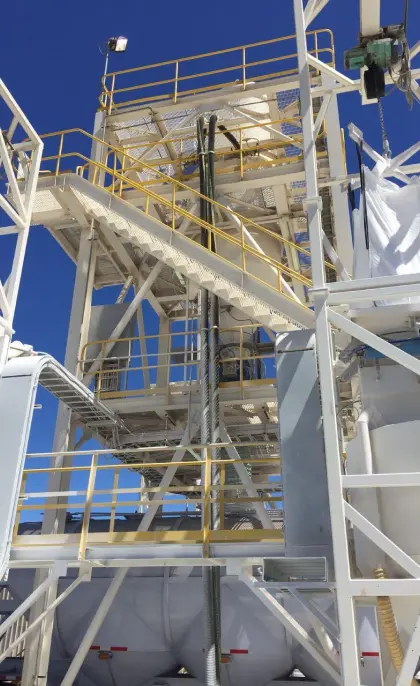
Galvanic corrosion occurs when two dissimilar metals are in electrical contact in the presence of an electrolyte (moisture, salt water, condensation). The more active metal (anode) corrodes faster while the more noble metal (cathode) is protected. Common examples include steel bolted to aluminum, copper piping connected to steel fittings, and stainless steel fasteners in carbon steel structures.
How coatings prevent galvanic corrosion
A rust prevention coating applied between dissimilar metals breaks the electrical contact and eliminates the galvanic cell. The coating acts as an insulating barrier, preventing electron transfer between the two metals. For this to work, the coating must:
- Adhere to both metal substrates
- Maintain barrier integrity under environmental stress
- Resist the electrolyte (moisture, salt spray) that drives the galvanic reaction
Why multi-metal compatibility matters
Most anti-corrosion coatings are formulated and tested for a single substrate (typically steel). When your project involves mixed metals, you need a coating verified on each substrate type.
FlameOFF Metal Shield is tested on four metal substrates:
- Steel (iron, steel, galvanized steel)
- Aluminum (structural/architectural aluminum)
- Copper alloys (piping, flashing, decorative elements)
- Stainless steel (fasteners, marine hardware, food-grade equipment)
This multi-metal compatibility means one product can serve as a galvanic corrosion prevention coating for all metal substrates in a mixed-metal assembly, simplifying procurement, inventory, and application.
Need a corrosion protection assessment for a mixed-metal project? Request a free project estimate.
How Should You Prepare Steel for Anti-Corrosion Coating?
Surface preparation is the single most important factor in coating adhesion and long-term performance. According to AISC corrosion protection guidelines, coating failures are caused by inadequate surface preparation more often than by coating product defects.
SSPC surface preparation standards
The SSPC (now part of AMPP) defines surface preparation standards that specify how clean and profile-ready the steel substrate must be:
| Standard | Name | Description | When to Use |
|---|---|---|---|
| SSPC-SP1 | Solvent Cleaning | Remove oil, grease, and contaminants | Always first step |
| SSPC-SP2 | Hand Tool Cleaning | Remove loose rust, scale, paint by hand | Light maintenance |
| SSPC-SP3 | Power Tool Cleaning | Remove rust and scale with power tools | Moderate maintenance |
| SSPC-SP6 | Commercial Blast | Remove all rust, scale, and coatings by abrasive blasting to near-bare metal | Recommended for Metal Shield |
| SSPC-SP10 | Near-White Blast | 95% removal of all contaminants | High-performance systems |
Surface preparation steps for Metal Shield
- Degrease the substrate using FlameOFF Bio Clean Industrial to remove oil, grease, cutting fluids, and fingerprints. Bio Clean Industrial is a 100% biodegradable degreaser that rinses clean with no filming, leaving a paint-ready surface.
- Blast or mechanically abrade the surface to SSPC-SP6 commercial blast standard (or equivalent). For smooth metals like aluminum and stainless steel, scuff or abrade the surface to create a mechanical profile for adhesion.
- Verify the substrate is clean, dry, and free of contaminants before coating.
- Apply Metal Shield using an HVLP spray gun (1.0-1.3 mm tip, 25-30 PSI) at 6-8 inches from the substrate. A foam or microfiber roller can be used for small areas and touch-ups.
- Allow 10-20 minutes between coats if a second coat is required. Full cure is achieved in 7 days.
Application temperature: 45°F-105°F (7-41°C) for both substrate and ambient air. Coverage rate: 640-800 sq ft/gal at 0.7-0.75 mils DFT.
Applying over previously painted surfaces
Metal Shield can also be applied as a clear topcoat over existing painted or primed steel, adding an extra layer of corrosion, UV, and chemical protection without changing the surface's appearance. Confirm the existing paint is sound and well-adhered first - abrade and re-coat any peeling or chipping areas, then clean with Bio Clean Industrial before applying a single coat. Because Metal Shield is transparent, test a small, inconspicuous area first: over white or light-colored paints it can shift the color slightly toward off-white or pale yellow.
Which Anti-Corrosion Coating Is Best for Your Application?
The best rust prevention coating for steel depends on your corrosion environment, substrate type, aesthetic requirements, and maintenance access. Below are application-specific recommendations based on ISO 12944 corrosion categories and industry requirements.
Marine and coastal infrastructure (C4-C5, CX)
Coastal and marine environments are the most demanding corrosion environments for steel. Salt spray, high humidity, UV exposure, and tidal splash zones accelerate corrosion dramatically.
- Traditional approach: Multi-coat zinc-rich primer + epoxy intermediate + polyurethane topcoat (3-coat system)
- Nano-coating approach: Metal Shield provides salt spray resistance in a 1-2 coat clear system, backed by advanced corrosion testing
Metal Shield is recommended for dock structures, marine hardware, and equipment in coastal salt spray environments where aesthetic preservation or weld visibility is required.
Industrial and manufacturing facilities (C3-C4)
Chemical plants, manufacturing floors, warehouses, and processing facilities expose steel to a combination of moisture, chemical vapors, temperature swings, and mechanical abrasion.
- For immersion/chemical exposure: Epoxy systems provide the best chemical barrier
- For atmospheric protection: Metal Shield's solvent resistance (1,000 MEK double rubs, no effect, per ASTM D4752) and abrasion resistance (1,000 cycles Taber CS-17, per ASTM D4060) make it suitable for atmospheric corrosion protection in C3-C4 industrial environments
Metal Shield is recommended for ASME pressure vessels, API 650 storage tanks, heavy equipment, and HVAC rooftop units.
Bridges and transportation infrastructure (C3-C5)
Bridge steel and transportation infrastructure require coatings that perform under extreme temperature cycling, road salt exposure, and decades of service life.
- Standard approach: DOT-specified multi-coat systems (zinc-rich primer + epoxy + polyurethane)
- Where Metal Shield fits: Supplemental protection on bridge components, transmission towers, and structural steel in EPA Corrosivity Class C4/C5 environments
Metal Shield's temperature range of -200°F to +350°F and thermal cycling resistance (no cracking or peeling through thermal cycling of 50°C/4hrs, 25°C/4hrs, -29°C/16hrs, per ASTM 6944) makes it suitable for environments with extreme temperature swings.
Architectural and exposed structural steel (C2-C3)
Exposed structural steel in commercial buildings, restaurants, and retail spaces requires corrosion protection that does not alter the metal's appearance.
- This is where Metal Shield excels: The clear finish preserves the natural look of steel, aluminum, copper, and stainless steel. No color-matching, no pigment film, no visual compromise.
- Competitors cannot match this: Most anti-corrosion coatings are pigmented. The few clear options on the market do not publish adhesion test results or third-party corrosion testing data.
Metal Shield is the recommended choice for exposed structural steel, architectural metalwork, and any application where preserving the natural appearance of the metal is as important as long-term corrosion protection.
Frequently Asked Questions About Anti-Corrosion Coatings for Steel
Service life depends on the coating system, application quality, and corrosion environment. In moderate environments (ISO 12944 C2-C3), high-performance coatings like Metal Shield typically provide 5+ years of protection with proper surface preparation. Metal Shield carries a 5-year limited manufacturer's warranty. Severe environments (C4-C5) may require more frequent inspection and maintenance.
No. Rust must be removed before applying any anti-corrosion coating for steel. Coating over rust traps moisture and corrosion products underneath, which accelerates substrate deterioration and causes premature coating failure. Remove rust to SSPC-SP6 commercial blast standard (or better) before coating.
Rust prevention coatings are applied to clean, rust-free steel to stop corrosion before it starts. Rust converters are chemical treatments applied to existing rust that transform iron oxide into a more stable compound. Rust converters are a temporary fix, not a long-term protection system. For lasting protection, remove the rust and apply a proper anti-corrosion coating.
Material cost varies by coating type and coverage rate. Metal Shield's high spread rate of 640-800 sq ft/gal in a single coat covers significantly more area per gallon than multi-coat systems, which lowers cost per square foot. For specific project pricing, request a project estimate from our technical team.
It depends on the coating system and substrate. Traditional multi-coat systems (epoxy, polyurethane) require a primer. For non-ferrous metals (aluminum, copper, stainless steel) and powder-coated surfaces, Metal Shield bonds directly without a separate primer. For new bare iron and steel, a quality rust/corrosion primer is recommended before applying Metal Shield for optimal performance.
For marine and coastal environments, look for coatings with strong salt spray resistance. Metal Shield is engineered for salt spray, acid rain, and UV resistance and is recommended for dock structures, marine hardware, and equipment in coastal environments. Traditional marine systems use zinc-rich primers with epoxy and polyurethane topcoats.
Most anti-corrosion coatings are formulated for a single metal substrate. FlameOFF Metal Shield is tested on steel, aluminum, copper alloys, and stainless steel - making it one of the few coatings that can protect multiple metal types in a single application. This is particularly valuable for preventing galvanic corrosion in mixed-metal assemblies.
Recoating frequency depends on the corrosion environment and coating system. Inspect coated steel annually for signs of coating degradation (chalking, blistering, rust breakthrough). In C2-C3 environments, high-performance coatings typically last 5-10+ years. In C4-C5 environments, plan for inspection every 2-3 years with maintenance recoating as needed.
Protect Your Steel Assets Before Corrosion Starts
An anti-corrosion coating for steel is the most cost-effective way to prevent the $450+ billion in annual corrosion damage that affects U.S. industry. The right coating system - matched to your corrosion environment, substrate type, and performance requirements - extends asset life by 2-3x and costs one-quarter of reactive repairs.
Key takeaways:
- Identify your ISO 12944 corrosion category (C1-CX) before selecting a coating system
- ASTM B117 salt spray hours provide a relative comparison benchmark between coatings
- Clear nano-coatings like Metal Shield offer high-performance salt spray resistance without altering metal appearance
- Multi-metal compatibility (steel, aluminum, copper, stainless) simplifies procurement for mixed-metal projects
- Surface preparation to SSPC-SP6 standard is the most critical factor in coating performance
FlameOFF Metal Shield delivers high-performance corrosion protection in a clear, single-coat formula backed by third-party testing data and a 5-year manufacturer's warranty.
For steel structures that also require fire protection, pair Metal Shield with FlameOFF Fire Barrier Paint for complete corrosion and fire resistance on the same substrate. For facility-wide protection, add Concrete Guard Pro for concrete floors and foundations.
Ready to protect your steel? Request a quote or call 984-263-9606 to speak with a technical specialist.